- by Amanda "Mandifesto" Orneck
- Posted on April 27, 2012 @ 6:00 PST


The idea has been around for centuries, and can be seen on any playground in any country in the world: People enjoy creating their own games and making up their own rules. This idea has been slowly growing in popularity within the gaming community, but it didn't really take off until truly immersible environments and toolsets came into being. The first real success for a player made game has to be Defense of the Ancients, a game created within Warcraft III. This game was so popular that it has since spawned an entire genre of video game, the MOBA, and there are several stand alone DOTA games currently in development.
Custom gaming really picked up speed when Media Molecule gave us Little Big Planet, a game that was built entirely using the user tools provided along with the game's launch. Suddenly people were creating and sharing levels with high quality animations and mechanics, levels that were only limited by the imagination of those creating them. Now these days the custom gaming market seems to be largely reserved for the online gaming space, possibly due to the lack of restrictions placed on PC gaming. Many developers, particularly those focused on the younger gamer segment, are skipping the game creation in favor of building toolsets for players.
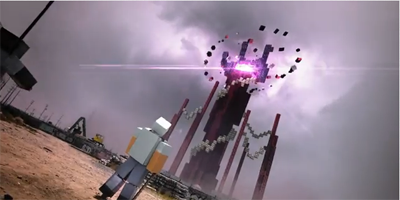
A good example of this is ROBLOX, a company that has taken up the custom gaming mantra with great success. What they provide their young audience, the 8-14 male gamer, is a platform on which to build their games, and the kids have flocked to this new way of playing. In 2011, over 5 million games were created in ROBLOX. That's a lot of time in the sandbox if you ask me.
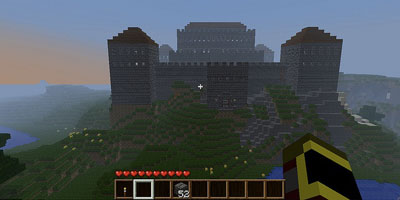
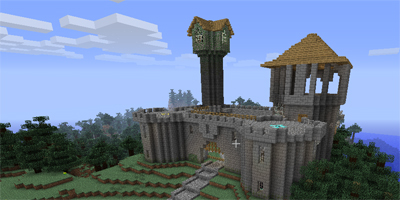
More and more games are promising to provide a space for players to create custom content. Brick Force, currently being developed by Infernum, will allow players to build constructs and defend them from other players in a sort of FPS blended with LEGO block building. And when it comes to building, Minecraft is still the king, and although it is a simulation in and of itself with no real user-generated content tools, still players are creating their own games with the building blocks (pun intended) Mojang has provided.
What does this mean for the future of gaming? Perhaps the younger generation of gamers will grow up expecting to be able to build their own worlds, and more companies will provide game creation platforms rather than full fledged games. I don't see custom gaming as competing with fully developed titles. After all, there will still be a need for great stories, and great mechanics to interact with them. Perhaps this just means that Indie gaming will have a new generation of budding developers heading into the market in a few short years. And that can only mean good things for the industry at large.
- Musings
- Mojang
- Blizzard All-Stars
- Brick Force
- DOTA
- DOTA 2
- Little Big Planet
 Minecraft
- ROBLOX
- Warcraft III
- Custom Gaming